
Box Breathing and 4-7-8 Techniques for Lunch Breaks
Two breathing patterns that calm your nervous system in under 10 minutes. We explain how they work and when to use each one during your day.

Why Your Lunch Break Needs a Breathing Reset
By noon, your nervous system’s already been through a lot. Morning meetings, emails piling up, the pressure of the afternoon ahead — it all adds up. The good news? You don’t need 30 minutes of meditation to make a real difference. You just need the right technique and maybe 10 minutes of your lunch break.
Box Breathing and the 4-7-8 technique are two methods that work fast. They’re different enough that you’ll probably prefer one over the other, depending on what you need in that moment. One’s about balance and clarity. The other’s about deep calm and resetting your sleep schedule.
Box Breathing: The Balanced Approach
Box Breathing works because it treats your breath like a rhythm. You’re not trying to breathe deeply or slowly — you’re creating a pattern. Equal counts on all four sides.
Inhale slowly for 4 counts
Hold your breath for 4 counts
Exhale slowly for 4 counts
Hold empty for 4 counts, then repeat
That’s it. Do this for 5-10 cycles and you’ll feel noticeably different. Your heart rate slows down. The mental chatter quiets. You’re not forcing anything — the rhythm does the work. Most people see results in 3-5 minutes, but you can keep going if you’ve got time.
When to use it: Midday when you need to refocus, before a difficult conversation, or when you’re feeling scattered. It’s excellent on the MTR too — nobody will notice you’re doing anything special.

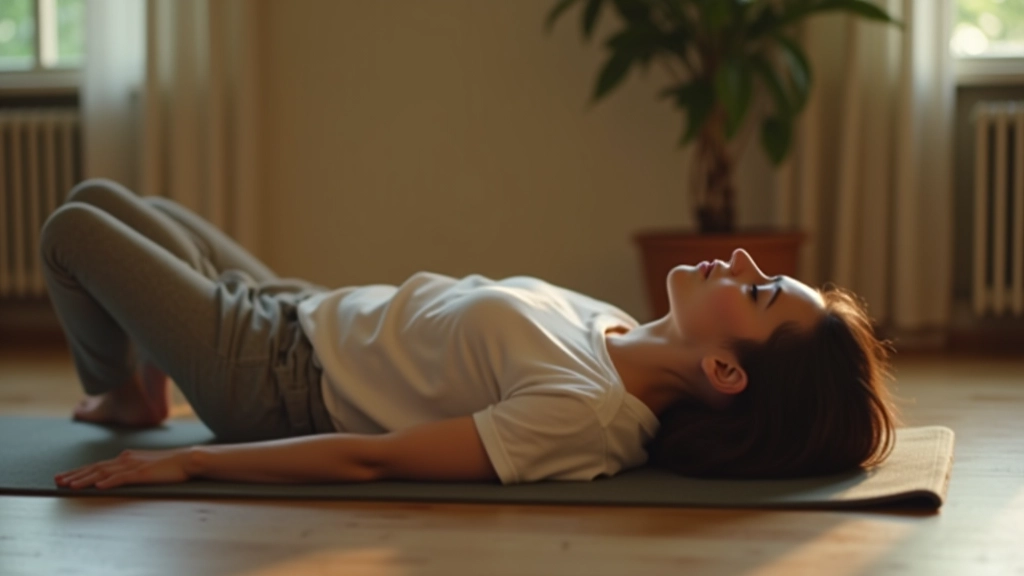
The 4-7-8 Technique: Deep Relaxation
The 4-7-8 technique is more intense than Box Breathing. You’re not balancing — you’re going deeper. The longer hold in the middle is the key. It triggers your parasympathetic nervous system, which is responsible for rest and recovery.
Inhale through your nose for 4 counts
Hold your breath for 7 counts
Exhale completely through your mouth for 8 counts
Complete 4 full cycles (about 2-3 minutes)
The exhale is twice as long as the inhale, which is what makes this so calming. You’re forcing out the carbon dioxide and activating your rest-and-digest response. Some people find it intense the first time — you might feel slightly lightheaded. That’s normal. Start with 3 cycles instead of 4 if you’re new to it.
When to use it: Later in the day when you need real downshift, before bed, or when anxiety’s running high. Don’t do this right before an important meeting — it makes you too relaxed.
Which One Should You Use?
They’re not competitors — they’re tools for different moments. Here’s how to choose:
Box Breathing
- Better for: Midday focus, quick reset
- Time needed: 5 minutes
- Energy level after: Balanced, alert
- Difficulty: Easy to learn
- Can do at: Your desk, on the MTR, in a meeting room
4-7-8 Technique
- Better for: Deep calm, sleep prep
- Time needed: 2-3 minutes
- Energy level after: Deeply relaxed
- Difficulty: Takes a few tries to master
- Can do at: Quiet space, at home, in a park
Making These Work in Your Actual Lunch Break
Here’s the thing about breathing techniques — they’re only useful if you actually do them. So let’s make this practical.
If you’ve got 10 minutes: Start with Box Breathing. It’s the gentler entry point, and you’ll feel the benefits immediately. Do 5-10 cycles, then spend the rest of your break eating or just sitting quietly. You don’t need to jump back into work mode right away.
If you’ve got 15-20 minutes: Do Box Breathing for the first 5 minutes to settle your nervous system, then maybe try the 4-7-8 technique for another 2-3 minutes if you’re feeling stressed. End with 5 minutes of just sitting. Your afternoon will feel completely different.
If you’re in a crowded place (MTR, office): Box Breathing is your friend. Nobody notices you’re doing anything. You’re just sitting there, breathing. That’s it. Perfect for commutes or quick desk breaks.
The real trick isn’t picking the perfect technique — it’s actually doing one. Pick the one that feels less awkward to you and commit to 3-4 days of trying it. By day 5, you’ll notice you’re calmer before the break even starts, just knowing you’ve got this tool available.

Your Lunch Break Doesn’t Have to Be Just About Food
Box Breathing and the 4-7-8 technique aren’t meditation. They’re not spiritual. They’re just tools that work on your nervous system’s biology. When your breathing is controlled, your body has no choice but to calm down. That’s not philosophy — that’s neuroscience.
You don’t need an app. You don’t need special equipment. You don’t even need a quiet room, though it helps. You just need 5-10 minutes and a willingness to try something that sounds simple because it actually is simple.
Start with one. Pick Box Breathing if you want something quick and balanced. Pick 4-7-8 if you’re running on stress and need real downshift. Do it tomorrow. Do it the day after. By next week, you’ll probably realize you’re calmer during the whole day, not just after your lunch break.

Disclaimer
This article is educational and informational in nature. The breathing techniques described are general wellness practices, not medical treatments. If you have respiratory conditions, cardiovascular concerns, or any health condition that affects breathing, consult a healthcare professional before beginning any new breathing practice. Some people may experience lightheadedness or dizziness — if this occurs, return to normal breathing immediately. The information provided is not a substitute for professional medical advice, diagnosis, or treatment.