Hong Kong Park and Nan Lian Garden — Urban Mindfulness Spaces
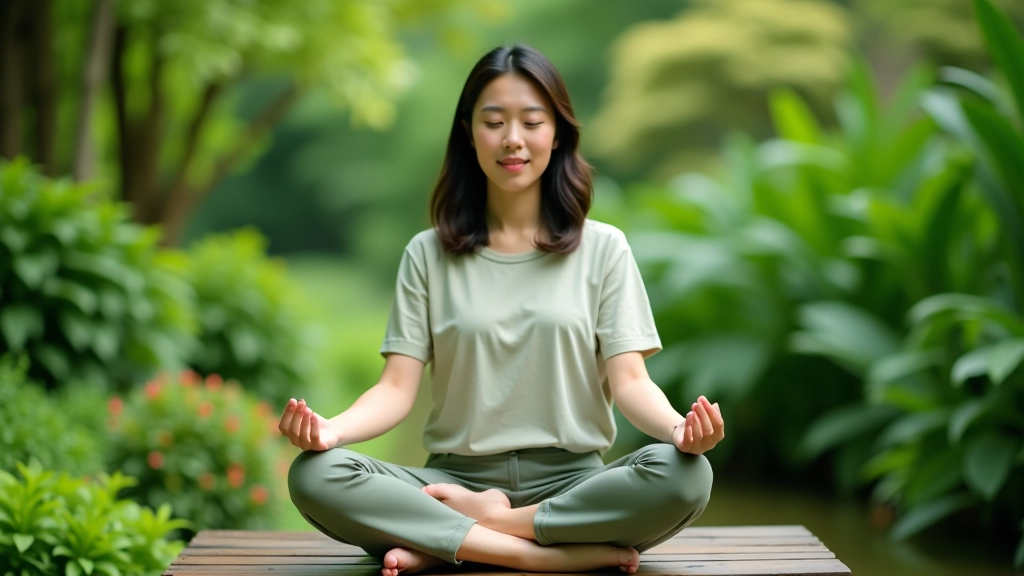
Two of the city’s most serene green spaces offer unexpected refuge from the urban rush. We’ll explore how to make the most of these gardens for walking meditation, breathing practice, and genuine stress relief in the middle of Hong Kong’s intensity.
Why These Gardens Matter for Your Practice
Hong Kong Park and Nan Lian Garden aren’t just pretty places to walk. They’re structured environments where you can actually practice mindfulness without the constant assault of traffic noise, phone notifications, and the general sensory overload of the city. Both gardens were designed with contemplation in mind — there’s intentional spacing, water features, and quiet corners.
The short version: if you’re living or working in Central, Admiralty, or nearby areas, these gardens are genuinely accessible. You don’t need to travel an hour to the New Territories. You’ve got quality green space 10-15 minutes away.
Hong Kong Park: The Central Option
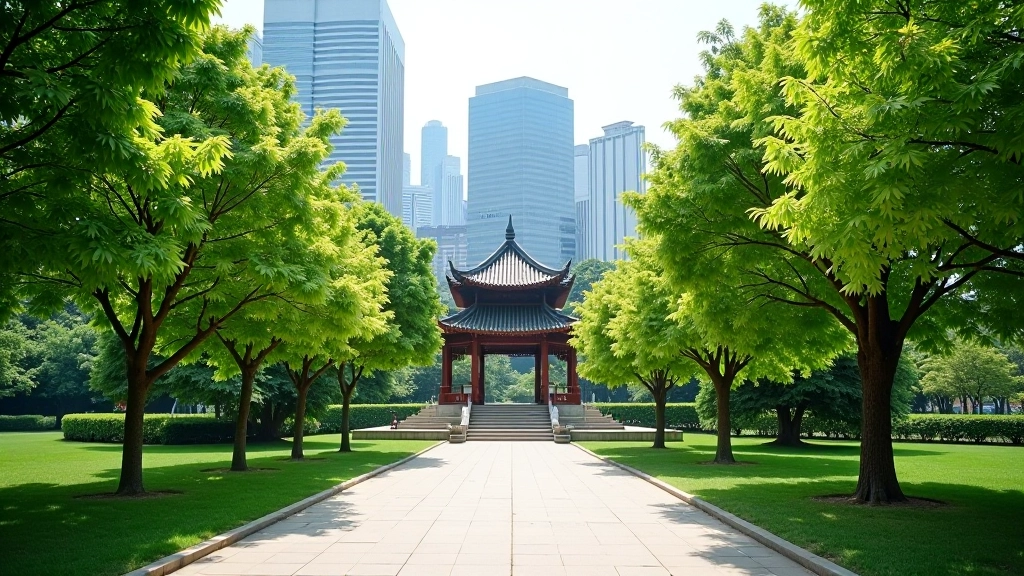
Hong Kong Park sits between Central and Admiralty, roughly a 5-minute walk from the MTR. It’s 8.5 hectares of designed landscape with multiple themed gardens — Japanese, English, and conservatory areas. The park’s got proper infrastructure: restrooms, water fountains, benches positioned thoughtfully throughout.
Best for: Walking meditation on the main pathways, sitting by the fountains in the Plaza. The Conservatory is air-conditioned if you need to escape the heat, but honestly, that defeats the purpose. The park gets busiest around lunch hours and weekends, so early mornings (6-8am) or late afternoons (4-6pm) are genuinely quiet.
Access: Free entry, open 6am-11pm daily. Arrive at Peak Tram station side if you’re coming from the lower Central area. There’s a small children’s playground and sports areas, but they’re separated from the main walking routes.
Nan Lian Garden: The Diamond Hill Alternative
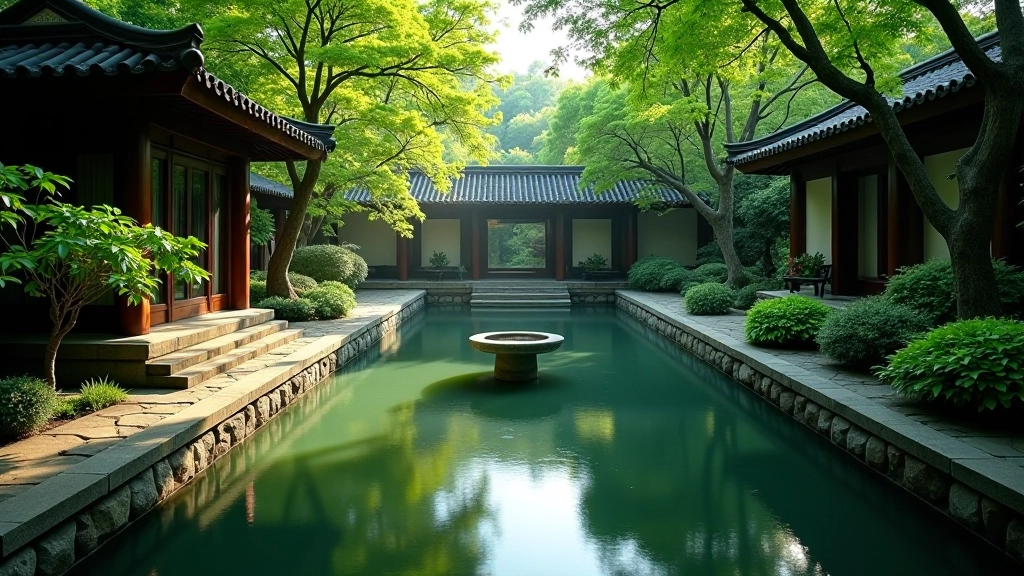
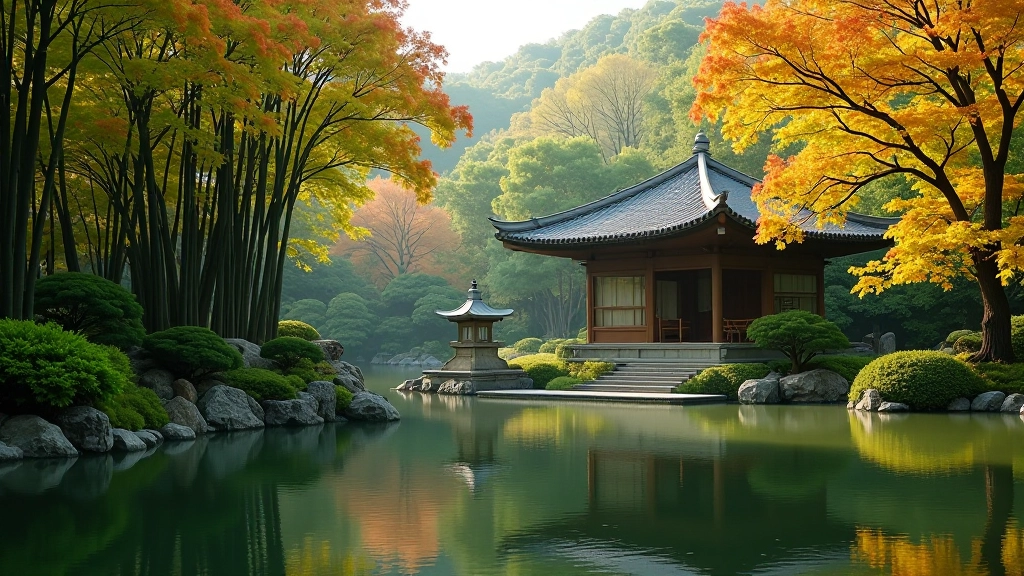
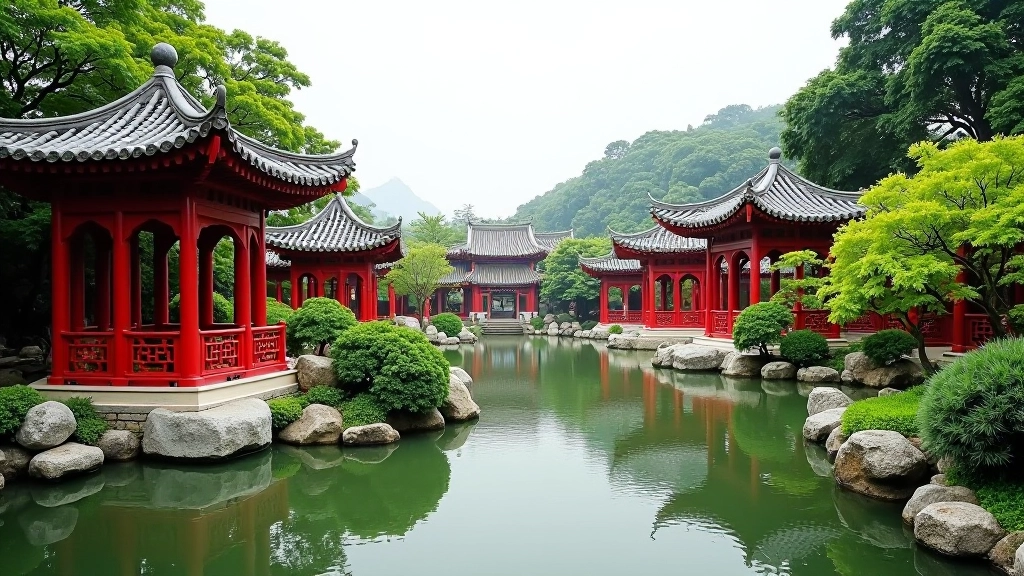
Nan Lian Garden is in Diamond Hill, about 20 minutes from Central by MTR. It’s smaller than Hong Kong Park (about 3.4 hectares) but more intensely designed. Every rock, plant, and water channel has purpose — this is a classical Chinese garden following ancient design principles.
Best for: Slow walking meditation, sitting in the pavilions overlooking the pond, practicing breathing exercises by the water. The garden’s more intimate than Hong Kong Park. You’ll notice more details — the sound of the fountains, the way light filters through the bamboo, the texture of the stone pathways.
Access: Free entry, open 9am-4pm (closed Mondays and public holidays). This is the catch — shorter hours means you need to plan around them. But because of the limited access, it’s consistently quieter than Hong Kong Park. You’ll rarely find crowds even during the official visiting hours.
What to Actually Do in These Spaces
Walking Meditation (20-30 minutes)
Choose one pathway and commit to it. Don’t rush between attractions. In Hong Kong Park, the main loop around the Plaza takes about 25 minutes at a meditative pace. Focus on your feet touching the ground, the rhythm of your breathing, the sensations of the breeze. You’re not trying to “achieve” anything — you’re just present.
Seated Observation (10-15 minutes)
Find a bench or pavilion and sit. Watch the water, the trees moving, people passing. Don’t try to clear your mind — just notice what’s actually happening around you. Nan Lian’s pavilions are designed for this. The architectural framing creates a natural focal point.
Breathing by Water (5-10 minutes)
Sit near one of the water features. The sound of moving water naturally slows your breathing. You don’t need to “do” anything special — your nervous system responds to the sound. If you want to add structure, use a 4-7-8 breathing pattern (4 counts in, hold 7, exhale 8) while listening to the water.
Practical Details That Actually Matter
- Timing: Early mornings (6-8am) are genuinely quiet. You’ll have large sections almost entirely to yourself.
- Weather: These gardens work in rain. The sound adds depth to your practice. Just bring an umbrella and embrace the dampness.
- Footwear: Wear comfortable shoes. You’re not doing athletic walking, but you’ll be on your feet for 20-30 minutes. Skip the flip-flops.
- Frequency: Once or twice weekly creates real habit. You’ll start noticing seasonal changes — different flowering plants, bird activity, light angles.
Fitting Gardens Into a Packed Schedule
The reality is you’re not getting 90 minutes to spend in a garden on a Tuesday afternoon. Here’s what actually works: a 20-minute walk in Hong Kong Park before work, or 15 minutes at lunch. That’s genuinely enough to reset your nervous system. You don’t need long sessions to get benefits — consistency matters more than duration.
If you’re working in Central or Admiralty, treat Hong Kong Park like a break room. Instead of sitting at your desk scrolling, you’ve got a 15-minute walk available. Your afternoon’s completely different when you’ve spent those minutes outside, breathing air that doesn’t smell like air conditioning.
Starting Your Garden Practice
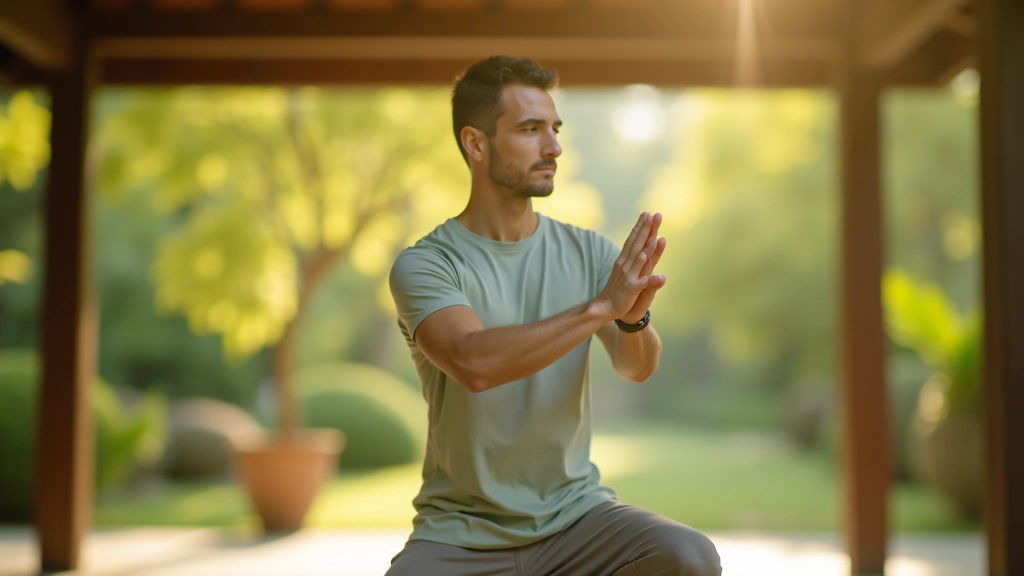
These gardens exist specifically for what you’re trying to do. They’re not hidden secrets — they’re right there in the middle of the city, designed generations ago by people who understood that humans need quiet, green space, and water sounds to function properly. You don’t need a special practice or years of meditation experience to benefit. You just need to show up and spend time there.
Pick one. Go on a Tuesday morning at 7am. Walk slowly. Notice what you notice. You’ll know immediately if it works for you. Most people find within three visits they’re already sleeping better and their afternoon stress levels have dropped noticeably. That’s not placebo — that’s your nervous system responding to exactly what it needs.
Informational Note
This article is informational only and describes educational approaches to stress reduction through garden visits and mindfulness practice. The information presented reflects common wellness practices and isn’t intended to replace professional mental health care. If you’re experiencing significant stress, anxiety, or other mental health concerns, consult with a qualified healthcare provider or mental health professional. Always follow garden rules, stay aware of your surroundings, and practice safety when visiting public spaces.

Related Resources